Friday, December 09, 2011

Adrenal glands: The reserve tank for stress?

Have you ever noticed that when you are "stressed" you can feel either emotionally/physically depleted or energized? When our body is under stress the brain responds by producing epheniphrine (aka adrenaline), sending signals to our adrenal glands, increasing the rate at which our heart beats while releasing oxygen to our muscles. The long term response to this process produces cortisol (aka the stress hormone) facilitating the release of energy throughout our body. However, when our body isn't properly balanced these hormones can wreak havoc on our wellness possibly resulting in one of three conditions: Cushing's syndrome, Cushing's disease or Addison's disease.
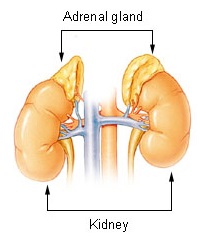

The actual Adrenal glands sit physically atop both kidneys, taking on a triangular shape and a roundish rectangular type shape. These glands are responsible for our sex hormones and cortisol, helping us respond to stress amongst other functions. When our body is under stress, physically and/or nutritionally, it responds one of two ways: Produces too much or too little of the cortisol hormone. Our Adrenal glands also contribute to regulating our blood sugar, blood pressure, salt and water.

Adrenal disorders can cause our body to make too much or not enough of these hormones, bringing about adrenal gland related syndromes and disease. Cushing's syndrome results from our body making too much versus Addison's disease produces too little.

Cushing's syndrome vs Cushing's disease

Glucocorticoids (naturally produced in our body or received through medicine) are groups of corticosteroids (cortisol or dexamethasone) involved in metabolizing our carbohydrates and proteins. When taken synthetically (i.e. treatment of allergies, skin problems, and respiratory problems) or over-produced naturally, the side effects can result in "Cushing's syndrome".

Cushing's syndrome can occur one of two ways: Endogenous or Exogenous. Endogenous is caused by the body (usually through tumors). Exogenous is caused by medication. In both cases, the body produces too much cortisol.

Symptoms: Severe fatigue/muscle weakness, high blood sugar and high blood pressure, upper body obesity, thin arms/legs, bruising easily.

Treatment: The cure and treatment for Cushing's Syndrome and disease can come through medicine, surgery, or by lowering the dosage of your current synthetic hormone treatment and can likely be cured.

Cushing's disease is the most common form of endogenous Cushing's syndrome and is likely treatable. Caused by a tumor in the pituitary gland secreting too much Adrenocorticotropic hormone (ACTH), this type of tumor does not spread and can be removed through surgery.

Nutrition: See a nutritionist or dietician for your condition. Mostly, avoid excess sodium. High blood sugar (hyperglycemia) and high blood pressure can easily occur with this condition. Bone loss density is common with this condition, so be extra aware of your calcium (800 – 1200 mg per day, based upon age) and Vitamin D intake (5mcg from age 0-50, increasing up to 10 mcg 50-71, and 15 mcg after 71). Eating healthy, balanced and whole food (versus processed) is extremely important. (Resource: http://www.aboutcushings.com/understanding-cushings-disease/causes-and-differences.jsp)

Addison's disease Opposite from Cushing's syndrome, Addison's disease doesn't make “enough” of the sex hormones and cortisol. The result of this disease causes our immune system to attack our tissue, damaging our adrenal glands.

Symptoms: Weight loss, muscle weakness, increasingly worse fatigue, low blood pressure and patchy or dark skin.

Treatment: If left untreated, the condition can be fatal. Lifetime hormone treatment is usually required. Addison disease patients should always carry medical/emergency ID on them, listing their medication, dosage and disease

Lab tests can confirm that you have Addison's disease. If you don't treat it, it can be fatal. Very likely, you will need to take hormone pills for the rest of your life. If you have Addison's disease, you should carry an emergency ID. It should say that you have the disease, list your medicines and say how much you need in an emergency.

(Ref: http://www.nlm.nih.gov/medlineplus/cushingssyndrome.html, NIH: National Institute of Neurological Disorders and Stroke)

If all of this sounds a little overwhelming there is hope. Learning how to balance our stress-filled lives is extremely important to our overall health. Healthy nutrition always contributes benefits to our overall wellness. We can overwhelm our endocrine system by simply not eating nutritionally. Understanding that “Food is a drug” is vitally important to how we help our body naturally heal itself. The above conditions are the result of our body not handling the stress we are putting it through, causing our body to producing too much or too little of the sex hormones and cortisol.

Unless we first address what we can do naturally through nutrition, the medicine we consume will only do so much in helping our body heal completely. You simply cannot continue doing the same thing over and over again, expecting the medicine to do all the work. Some diseases are brought upon us through our environment (emotionally as well as physically) as well as our diet/nutrition. Reviewing our entire wellness is always wisdom whenever we're diagnosed with anything.

Certainly listen to your doctor and their advice. But also ask your doctor to refer you to a nutritionist or clinical/registered dietician for a complete evaluation that includes a review of your nutritional diet/wellness. Too often we reach for a pill or a procedure to “fix” our health problems, ignoring what we should be doing on our own to help our body heal. Medical intervention is "sometimes" the result of providing our body with what it cannot produce on its own. Nutrition should always be the “natural” medicine we take, as well as what we might need through prescribed medication.

Quick Tips for Wellness: Living “well” requires living nutritionally balanced.

Adapted From http://hamptonroads.com/2011/12/adrenal-glands-reserve-tank-stress

Thursday, December 08, 2011

A Few Other Site Links

Wednesday, November 30, 2011

The Message Boards will be Down


The boards will be down for a few days for an upgrade and move to a new server.
For more information, please see this post.

After the upgrade, there will be a learning curve for everyone, so please be patient!


Wednesday, November 30, 2011

Endocrine disorders & female infertility

David Unuane, MD (Doctor), Department of Endocrinology, Universitair Ziekenhuis Brussel, UZ Brussel, Vrije Universiteit Brussel, Brussels, Belgium, Herman Tournaye, MD, PhD (Professor, Doctor), Brigitte Velkeniers, MD, PhD (Professor, Doctor), Kris Poppe, MD, PhD (Professor, Doctor)


Female infertility occurs in about 37% of all infertile couples and ovulatory disorders account for more than half of these. The ovaries are in continuous interaction with the other endocrine organs. The interplay may account for infertility occurring at different levels and may render the diagnosis of infertility a difficult exercise for the involved physician. A hypothalamic cause of female infertility should be considered in an appropriate clinical context, with tests pointing to a hypogonadotropic hypogonadism. It can be functional, physiological or related to organic causes. Hyperprolactinemia has well characterized effects on the normal gonadal function and treatment is well established.

Acromegaly and Cushing’s disease may impair fertility at different levels, mechanisms involved however remain ill defined. Thyroid disorders, both hyperthyroidism and hypothyroidism, can interact with the ovaries, through a direct effect on ovarian function, but autoimmunity may be involved, as well as alterations of the sex hormone binding protein levels. Primary ovarian disorders, such as the polycystic ovary syndrome and primary ovarian insufficiency are frequent diseases, for which novel treatments are currently being developed and discussed.

We will propose an algorithm for the diagnosis and approach of the female patient presenting with infertility on the basis of the available evidence in literature.

Keywords: female infertility, pituitary, adrenal, ovarian, thyroid

From http://www.bprcem.com/article/PIIS1521690X1100087X/abstract?rss=yes


Friday, November 18, 2011

Not the Usual Suspects: Animal Study Finds Surprising Clues to Obesity-Induced Infertility

Source: Johns Hopkins Medicine

FOR IMMEDIATE RELEASE

Newswise — Infertility is common among obese women, but the reasons remain poorly understood and few treatments exist. Now a team of Johns Hopkins Children's Center scientists, conducting experiments in mice, has uncovered what they consider surprising evidence that insulin resistance, long considered a prime suspect, has little to do with infertility in women with type-2 diabetes, polycystic ovary syndrome (PCOS) and metabolic syndrome, all obesity-related conditions in which the body becomes desensitized to insulin and loses the ability to regulate blood sugar.

In a report, published online Nov.10 in the journal Diabetes, the Johns Hopkins scientists say the real culprit appears to be insulin sensitivity in the ovaries and the pituitary.

The Johns Hopkins team said its findings show that these organs escape insulin resistance and, awash with high levels of circulating insulin common in obesity, develop abnormal cell signaling that disrupts ovulation and eventually leads to infertility.

"Our findings suggest that the focus should shift from treating insulin resistance in peripheral tissue to taming insulin sensitivity in the pituitary and ovaries," says lead investigator Sheng Wu, Ph.D., of the Johns Hopkins Children's Center. Scientists traditionally have treated obesity-induced infertility by lowering blood insulin to counter the effects of insulin resistance.

A 2010 study by the same team discovered that the pituitary gland, insensitive to insulin in lean mice, became sensitive to elevated levels of insulin seen in human and rodent obesity. By knocking out the insulin receptors in the pituitary glands of obese mice, the researchers were able to partially restore fertility, thus proving that abnormal insulin signaling in the pituitary was only part of the story.

"In the original study, disrupting insulin signaling in the pituitary restored 50 percent of fertility in obese mice, but the search was on for the accomplice," says senior investigator Andrew Wolfe, Ph.D., an endocrinologist at the Johns Hopkins Children's Center. "Our new findings point to the ovaries."

In the pituitary, faulty insulin signaling stimulates increased secretion of luteinizing hormone, the researchers say. In the ovary, it puts testosterone production into overdrive. Both disrupt ovulation, the researchers explain.

In the latest study, lean mice and mice made obese on a three-month high-fat diet received injections of progressively higher doses of insulin to mimic the effects of high circulating insulin seen in obesity, diabetes and PCOS. In lean mice, the ovaries and pituitaries were insensitive to the hormone at low-dose injections, and responded only when injected with higher doses of insulin. The "trigger" doses corresponded to insulin levels typically seen in obesity. Obese mice with naturally elevated insulin levels exhibited high levels of insulin signaling in their pituitary and ovarian cells. When injected with insulin, the livers and muscles of obese mice showed greatly reduced response to insulin -- or insulin resistance. Their ovaries and pituitary glands, however, responded to insulin injections, confirming that in obese mice, these reproductive organs escape the insulin resistance seen in other organs.

To determine insulin sensitivity, the researchers focused on two signaling proteins, IRS-1 and IRS-2, regulators of cell-insulin communication involved in the development of insulin resistance in liver and muscle tissue. The scientists hypothesized that in the pituitary and ovaries, these messenger proteins would remain dormant under normal insulin levels, but would get activated once exposed to high levels of insulin. Indeed, the researchers found, the pituitary glands of obese mice showed higher IRS-2 signaling activity compared with lean mice, while the ovaries of obese mice had higher signaling activity in both IRS-1 and IRS-2 proteins, compared with lean mice.

In a follow-up study now under way, the Hopkins team is trying to determine whether knocking out the insulin receptors in both the ovaries and the pituitary would fully restore fertility in obese mice with high insulin levels.

Other co-investigators on the study included Sara Divall, M.D., and Fred Wondisford, M.D., both of the Johns Hopkins Children's Center.

The research was funded by the Endocrine Fellow Foundation, by The Eunice Kennedy Shriver National Institute of Child Health and Human Development, part of the National Institutes of Health, and by the Baltimore Diabetes Research and Training Center, which is supported by the National Institute for Diabetes and Digestive and Kidney Diseases.


Founded in 1912 as the children's hospital of the Johns Hopkins Medical Institutions, the Johns Hopkins Children's Center offers one of the most comprehensive pediatric medical programs in the country, treating more than 90,000 children each year. Hopkins Children's is consistently ranked among the top children's hospitals in the nation. 
Hopkins Children's is Maryland's largest children's hospital and the only state-designated Trauma Service and Burn Unit for pediatric patients. It has recognized Centers of Excellence in dozens of pediatric subspecialties, including allergy, cardiology, cystic fibrosis, gastroenterology, nephrology, neurology, neurosurgery, oncology, pulmonary, and transplant. For more information, please visitwww.hopkinschildrens.org

From http://www.newswise.com/articles/not-the-usual-suspects-animal-study-finds-su.../articles/list&category=medicine&page=1&search%5Bstatus%5D=3&search%5Bsort%5D=date+desc&search%5Bsection%5D=10&search%5Bhas_multimedia%5D=

Saturday, November 12, 2011

(Addison's Disease) Coma man defies odds to write book

By Lisa Smyth


A Northern Ireland man has defied medical predictions and overcome the effects of a rare condition that left him in a coma for three months.

Jonathan Fisher is a survivor of an Addisonian crisis which affected him so badly doctors feared he would never recover.

His mother ignored medical advice to switch off his life-support system as doctors believed he was brain dead.

However, convinced he could recover after noticing that he was reacting to her with the occasional slight movement of his little finger she refused to give up on her son.

Now — against all the odds — he has made a remarkable recovery and has regained many of the skills lost as a result of his condition.

Addison’s disease is a rare disorder of the adrenal glands. It affects the production of two hormones — cortisol and aldosterone — which help to regulate blood pressure.

If left untreated, the amount of steroid hormones in the body will gradually fall and the symptoms of Addison’s disease will get progressively worse.

Eventually, this will cause an adrenal crisis — when the symptoms become very severe and blood pressure drops to a dangerously low level. An adrenal crisis can be fatal if it is not treated immediately.

Jonathan can now get around Lisburn in his electric wheelchair and has even managed to complete his first book, August Always — a triumph as he has considerable speech impairment and great difficulty using his hands to operate a keyboard.

The process has been long and laborious but Jonathan said he was determined to share his experience with others.

“There are moments in life that define us, like birth and death,” he said.

“Along the journey there will be crises of passion, of love, of faith and desire, but none so devastating as an Addisonian crisis. I am Jonathan Fisher, a survivor.

“August Always is my memoir. I believe in the incredible. I dream of a better future.”

Background

Addison’s disease is a rare disorder of the adrenal glands which are located on top of the kidneys. The condition affects the production of two hormones. Cortisol, which helps to regulate blood pressure, maintaining blood glucose and heart function. And aldosterone which also helps regulate blood pressure. Addison’s sufferers must get treatment if their blood pressure falls as it can be fatal.

From http://www.belfasttelegraph.co.uk/news/health/coma-man-defies-odds-to-write-book-16076458.html

Thursday, November 10, 2011

Diabetes in Cushing syndrome: basic and clinical aspects

Diabetes mellitus is a frequent complication of Cushing syndrome (CS) which is caused by chronic exposure to glucocorticoid excess, either endogenous or exogenous, and that is characterized by several clinical symptoms such as central obesity, purple striae, proximal muscle weakness, acne, hirsutism and neuropsychological disturbances.

Diabetes occurs as a consequence of an insulin-resistant state together with impaired insulin secretion which are induced by glucocorticoid excess. The management of patients with CS and diabetes mellitus includes the treatment of hyperglycemia and, when possible, the correction of glucocorticoid excess.

This review focuses on the disorders of glucose metabolism in patients exposed to glucocorticoid excess, addressing both the pathophysiological aspects and the clinical and therapeutic implications.

Read the entire article at http://www.cell.com/trends/endocrinology-metabolism/abstract/S1043-2760(11)00138-X

Thursday, November 10, 2011

November Cushing's News

Something new of interest to Cushies most every day. Please note that there is a current backlog of about three weeks for submitted bios to be added to the website.

November 10, 2011:


November 5, 2011:


November 2, 2011:


Thursday, November 10, 2011

DuoCort Pharma's Orphan Drug Plenadren® Granted European Marketing Authorization for Adrenal Insufficiency

HELSINGBORG, Sweden and EXTON, Pa., Nov. 7, 2011 /PRNewswire/ -- The Swedish specialty pharma company, DuoCort Pharma, announced today that the European Commission has granted a European Marketing Authorisation for Plenadren®(hydrocortisone, modified release tablet), an orphan drug for treatment of adrenal insufficiency in adults,  bringing these patients their first pharmaceutical innovation in over 50 years.

Developed by DuoCort Pharma, Plenadren® is a dual release hydrocortisone replacement therapy designed to better mimic the normal physiological cortisol profile in order to improve outcomes for patients suffering from adrenal insufficiency. Plenadren® is given as an oral tablet once daily.  It has an outer layer releasing hydrocortisone immediately and an inner core releasing the rest of the drug more slowly during the day.

Although glucocorticoid hormone replacement therapy for adrenal insufficiency has been available for decades, studies have recorded complications and comorbidities including premature death, impaired quality of life, increased risk of cardiovascular diseases, and decreased bone mineral density in treated patients, most likely because it is difficult to match the natural secretion pattern of cortisol.  

Maria Forss, CEO of DuoCort Pharma, said: "The marketing authorization for Plenadren® in Europe is an important step towards addressing the unmet needs of these patients."    

The approval of Plenadren® follows the positive opinion adopted by the Committee for Medicinal Products for Human Use (CHMP) in July 2011. Plenadren® is now approved for marketing in all countries of the European Union (EU) as well as in the European Economic Area (EEA), namely Iceland, Norway and Lichtenstein.  

Professor Gudmundur Johannsson of the Department of Endocrinology, Sahlgrenska University Hospital, Gothenburg, Sweden, and Chief Medical Officer of DuoCort Pharma, said: "Plenadren® offers a welcome new treatment option to help patients suffering from adrenal insufficiency. Plenadren® can improve therapy for many of the almost 200,000 patients in Europe who suffer from this disease and who need life-long cortisol replacement therapy for their survival."

On October 26, 2011, ViroPharma Incorporated (NASDAQ: VPHM) signed a definitive agreement to acquire DuoCort Pharma AB.  The companies expect to complete the acquisition in November 2011. On closing, ViroPharma will pay an upfront closing cost of 220 million Swedish kroner (SEK) or $33 million in US dollars (USD).  Additionally, there are contingent milestone payments of up to 860 million SEK or $130 million USD associated with manufacturing, sales thresholds and territory expansion.  

About Adrenal insufficiency

Adrenal insufficiency (cortisol deficiency) is a rare, life-threatening disease that affects patients in their active years. To survive, patients suffering from this disease need lifelong replacement therapy with hydrocortisone. Treatment of adrenal insufficiency involves replacing, or substituting, the hormones that the patient's own adrenal glands are not producing. Cortisol is replaced using hydrocortisone, the synthetic form of cortisol.

About Plenadren® (hydrocortisone, modified release tablet)

Plenadren is the first true innovation in over 50 years in the treatment of adrenal insufficiency.

Hypersensitivity to the active substance of Plenadren or to any of the excipients may occur.  During acute adrenal insufficiency, parenteral administration of hydrocortisone in high doses, together with physiological sodium chloride solution for injection, must be given.  Use of Plenadren with potent CYP 3A4 inducers and inhibitors may merit an adjustment of hydrocortisone dosage.  High (supra-physiological) dosages of cortisone can cause elevation of blood pressure, salt and water retention, and increased excretion of potassium.  Long-term treatment with higher than physiological hydrocortisone doses can lead to clinical features resembling Cushing's syndrome with increased adiposity, abdominal obesity, hypertension and diabetes, and thus result in an increased risk of cardiovascular morbidity and mortality. All glucocorticoids increase calcium excretion and reduce the bone remodeling rate.  Patients with adrenal insufficiency on long term glucocorticoid replacement therapy have been found to have reduced bone mineral density.  Psychiatric adverse events may occur with systemic glucocorticoids.

The most common adverse reactions observed in clinical studies have been fatigue, gastroenteritis, upper respiratory tract infection, sedation, vertigo and dry eyes. 

About ViroPharma Incorporated

ViroPharma Incorporated is an international biopharmaceutical company committed to developing and commercializing novel solutions for physician specialists to address unmet medical needs of patients living with diseases that have few if any clinical therapeutic options, including C1 esterase inhibitor deficiency, treatment of seizures in children and adolescents, and C. difficile infection (CDI).  Our goal is to provide rewarding careers to employees, to create new standards of care in the way serious diseases are treated, and to build international partnerships with the patients, advocates, and health care professionals we serve.  ViroPharma's commercial products address diseases including hereditary angioedema (HAE), seizures in children and adolescents, and CDI; for full U.S. prescribing information on our products, please download the package inserts athttp://www.viropharma.com/Products.aspx; the prescribing information for other countries can be found atwww.viropharma.com. 

ViroPharma routinely posts information, including press releases, which may be important to investors in the investor relations and media sections of our company's web site, www.viropharma.com. The company encourages investors to consult these sections for more information on ViroPharma and our business.

About DuoCort Pharma

DuoCort Pharma is a drug development company focused on improving glucocorticoid therapy. The company has its origins among researchers at the Sahlgrenska Academy at Gothenburg University  and at Uppsala University in Sweden. DuoCort Pharma has developed Plenadren®, an improved glucocorticoid replacement therapy for patients with adrenal insufficiency, which is a rare disease. DuoCort Pharma has orphan drug designations in EU, Switzerland and the USA for Plenadren®. Plenadren® is a once daily, dual-release hydrocortisone oral tablet. It has an outer layer that releases the drug immediately and an inner core that releases the drug over the day. The tablets come in both 5 mg and 20 mg strengths. For more information please visit www.duocort.com.

DuoCort Pharma is a project company of the life science incubator PULS. For more information visit www.pulsinvest.se.  

Disclosure Notice

Certain statements in this press release contain forward-looking statements that involve a number of risks and uncertainties. Forward-looking statements provide our current expectations or forecasts of future events, including statements about the benefits of the business combination transaction involving ViroPharma and DuoCort Pharma, including, among others, future financial and operating results, enhanced revenues, ViroPharma's plans, objectives, expectations and intentions and other statements that are not historical facts. The following factors, among others, could cause actual results to differ from those set forth in the forward-looking statements: the ability to achieve the other conditions to closing on the proposed schedule; the risk that the business will not be integrated successfully; the risk that revenues following the acquisition will be lower than expected, including the successful commercialization of Plenadren; potential for disruption from the transaction making it more difficult to maintain relationships with manufacturers, employees or other suppliers; competition and its effect on pricing, spending, third-party relationships and revenues; our ability to achieve favorable pricing for Plenadren from European regulatory authorities; the risk that the safety and/or efficacy results of existing clinical trials for Plenadren will not be consistent with the results of additional clinical studies, including the required registry study, or with commercial usage; market acceptance of Plenadren; and our inability to maintain the orphan drug status associated with Plenadren. These factors, and other factors, including, but not limited to those described in our annual report on Form 10-K for the year ended December 31, 2010 and quarterly reports on Form 10-Q filed with the Securities and Exchange Commission, could cause future results to differ materially from the expectations expressed in this press release. The forward-looking statements contained in this press release are made as of the date hereof and may become outdated over time. ViroPharma does not assume any responsibility for updating any forward-looking statements. These forward looking statements should not be relied upon as representing our assessments as of any date subsequent to the date of this press release.


SOURCE DuoCort Pharma

From http://www.prnewswire.com/news-releases/duocort-pharmas-orphan-drug-plenadren-granted-european-marketing-authorization-for-adrenal-insufficiency-133348658.html

Thursday, November 10, 2011

Endoscopic bilateral adrenalectomy (BLA) in patients with ectopic Cushing's syndrome

Alberda WJ, van Eijck CH, Feelders RA, Kazemier G, de Herder WW, Burger JW; Surgical Endoscopy (Nov 2011)

BACKGROUND: Bilateral adrenalectomy (BLA) is a treatment option to alleviate symptoms in patients with ectopic Cushing's syndrome (ECS) for whom surgical treatment of the responsible nonpituitary tumor is not possible. ECS patients have an increased risk for complications, because of high cortisol levels, poor clinical condition, and metabolic disturbances. This study aims to evaluate the safety and long-term efficacy of endoscopic BLA for ECS.

METHODS: From 1990 to present, 38 patients were diagnosed and treated for ECS in the Erasmus University Medical Center, a tertiary referral center. Twenty-four patients were treated with BLA (21 endoscopic, 3 open), 9 patients were treated medically, and 5 patients could be cured by complete resection of the adrenocorticotropic hormone (ACTH)-producing tumor. The medical records were retrospectively reviewed and entered into a database. For evaluation of the efficacy of BLA, preoperative biochemical and physical symptoms were assessed and compared with postoperative data.

RESULTS: Endoscopic BLA was successfully completed in 20 of the 21 patients; one required conversion to open BLA. Intraoperative complications occurred in two (10%) patients, and postoperative complications occurred in three (14%) patients. Median hospitalization was 9 (2-95) days, and median operating time was 246 (205-347) min. Hypercortisolism was resolved in all patients. Improvements of hypertension, body weight, Cushingoid appearance, impaired muscle strength, and ankle edema were achieved in 87, 90, 65, 61, and 78% of the patients, respectively. Resolution of diabetes, hypokalemia, and metabolic alkalosis was achieved in 33, 89, and 80%, respectively.

CONCLUSION: Endoscopic BLA is a safe and effective treatment for patients with ectopic Cushing's syndrome.

From http://www.docguide.com/endoscopic-bilateral-adrenalectomy-patients-ectopic-cushings-syndrome?tsid=5