Showing posts with label adrenalectomy. Show all posts
Saturday, November 24, 2012

Cushing's Syndrome after Hemodialysis for 21 Years

Koki Mise, Yoshifumi Ubara, Keiichi Sumida, Rikako Hiramatsu, Eiko Hasegawa, Masayuki Yamanouchi, Noriko Hayami, Tatsuya Suwabe, Junichi Hoshino, Naoki Sawa, Masaji Hashimoto, Takeshi Fujii, Hironobu Sasano and Kenmei Takaichi

- Author Affiliations

Nephrology Center (K.M., Y.U., K.S., R.H., E.H., M.Y., N.H., T.S., J.H., N.S., K.T.), Surgical Gastroenterology (M.H.), Pathology (T.F.), and Okinaka Memorial Institute for Medical Research (Y.U., K.T.), Toranomon Hospital, 1058470 Tokyo, Japan; and Department of Pathology (H.S.), Tohoku University Graduate School of Medicine, 9800872 Sendai, Japan

Address all correspondence and requests for reprints to: Koki Mise, M.D., Nephrology Center, Toranomon Hospital Kajigaya, 1-3-1, Kajigaya, Takatu-ku, Kawasaki-shi, Kanagawa-ken, 213-0015, Japan. E-mail: kokimise@yahoo.co.jp.

Abstract

Context: Hyperkalemia and weight loss are critical clinical problems for hemodialysis patients. There have been no documented reports of adrenal Cushing's syndrome with central obesity and hypokalemia in a hemodialysis patient.

Objective: The aim of the study was to report a patient with Cushing's syndrome after chronic hemodialysis, review the published literature, and discuss the significance of hypokalemia and obesity in anuric hemodialysis patients from the perspective of cortisol metabolism.

Patient: A 61-yr-old woman who had been on hemodialysis for 21 yr presented with persistent hypokalemia and central obesity. In 2002, her dry weight was 48.1 kg, but thereafter she gained weight to 60 kg.

Results: Adrenal Cushing's syndrome was diagnosed from endocrinological findings such as increased cortisol secretion without a circadian rhythm and suppression of plasma ACTH. Spironolactone was administered (25 to 50 mg/d), and her serum potassium became normal. Then, left adrenalectomy was performed by laparoscopic surgery. The resected specimen contained a well-circumscribed adrenal adenoma expressing P450c17. After surgery, hypokalemia improved gradually without medication, and her weight gain stopped.

Conclusions: This is the first documented case of adrenal Cushing's syndrome in a patient on long-term hemodialysis, although several authors have reported a relation between hypokalemia and primary hyperaldosteronism in hemodialysis patients.

Sunday, November 04, 2012

Robotic versus laparoscopic adrenalectomy in obese patients

Surgical Endoscopy, 10/23/2012 Clinical Article

Aksoy E et al. – The aim of this study is to compare perioperative outcomes of RA versus LA in obese patients. The study did not show any difference in perioperative outcomes between RA and LA in obese patients. These results suggest that the difficulties in maintaining exposure and dissection in obese patients nullify the advantages of robotic articulating versus rigid laparoscopic instruments in adrenal surgery.

Methods

  • Between 2003 and 2012, 99 obese (BMI ≥ 30 kg/m2) patients underwent adrenalectomy at a tertiary academic center.
  • Of these, 42 patients had RA and 57 had LA. The perioperative outcomes of these patients were compared between the RA and LA groups.
  • Data were collected from a prospectively maintained, institutional review board approved database.
  • Clinical and perioperative parameters were analyzed using Student t and χ2 tests.
  • All data are expressed as mean ± standard error of the mean.

Results

  • The groups were similar in terms of age, gender, and tumor side.
  • Body mass index was lower in the robotic versus laparoscopic group (35.4 ± 1.0 vs. 38.8 ± 0.8 kg/m2, respectively, p = 0.01).
  • Tumor size (4.0 ± 0.4 vs. 4.3 ± 0.3 cm, respectively, p = 0.56), skin–to–skin operative time (186.1 ± 12.1 vs. 187.3 ± 11 min, respectively, p = 0.94), estimated blood loss (50.3 ± 24.3 vs. 76.6 ± 21.3 ml, respectively, p = 0.42), and hospital stay (1.3 ± 0.1 vs. 1.6 ± 0.1 days, respectively, p = 0.06) were similar in both groups.
  • The conversion to open rate was zero in the robotic and 5.2 % in the laparoscopic group (p = 0.06).
  • The 30–day morbidity was 4.8 % in the robotic and 7 % in the laparoscopic group (p = 0.63).

From MDLinx

Thursday, April 19, 2012

Day Nineteen, Cushing's Awareness Challenge

In Day 10 on April 10, 2012, I wrote about how we got the Cushing's colors of blue and yellow.  This post is going to be about the first Cushing's ribbons.


I was on vacation  in September, 2001 when SuziQ called me to let me know that we had had our first Cushie casualty (that we knew about).

On the message boards, Lorrie wrote: Our dear friend, Janice died this past Tuesday, September 4, 2001. I received an IM from her best friend Janine, tonight. Janine had been reading the boards, as Janice had told her about this site, and she came upon my name and decided to IM me. I am grateful that she did. She said that she knew that Janice would want all of us to know that she didn't just stop posting.

For all of the newcomers to the board that did not know Janice, she was a very caring individual. She always had something positive to say. Janice was 36 years old, was married and had no children. She had a miscarriage in December and began to have symptoms of Cushing's during that pregnancy. After the pregnancy, she continued to have symptoms. When discussing this with her doctor, she was told that her symptoms were just related to her D&C. She did not buy this and continued until she received the accurate diagnosis of Cushing's Syndrome (adrenal) in March of 2001. Tragically, Janice's tumor was cancerous, a very rare form of Cushing's.

Janice then had her tumor and adrenal gland removed by open adrenalectomy, a few months ago. She then began chemotherapy. She was very brave through this even though she experienced severe side effects, including weakness and dizziness. She continued to post on this board at times and even though she was going through so much, she continued with a positive attitude. She even gave me a referral to a doctor a few weeks ago. She was my inspiration. Whenever I thought I had it bad, I thought of what she was dealing with, and I gained more perspective.

Janice was having difficulty with low potassium levels and difficulty breathing. She was admitted to the hospital, a CT scan was done and showed tumor metastasis to the lungs. She then was begun on a more aggressive regimen of chemo. She was discharged and apparently seemed to be doing well.

The potassium then began to drop again, she spiked a temp and she was again admitted to the hospital. She improved and was set to be discharged and then she threw a blood clot into her lungs. She was required to be put on a ventilator. She apparently was at high risk for a heart attack. Her husband did not want her to suffer anymore and did not want her to suffer the pain of a heart attack and so chose for the doctors to discontinue the ventilator on Tuesday. She died shortly thereafter.

Janice was our friend. She was a Cushie sister. I will always remember her. Janine asked me to let her know when we get the Cushing's ribbons made as she and the rest of Janice's family would like to wear them in her memory. She said that Janice would want to do anything she could to make others more aware of Cushing's.

The image at the top of the page shows the first blue and yellow ribbon which were worn at Janice's funeral.  When we had our "official ribbons" made, we sent several to Janice's family.

Janice was the first of us to die but there have been more, way too many more, over the years.  I'll write a bit more about that on Day 21.


Saturday, March 24, 2012

Single-Incision Transperitoneal Laparoscopic Left Adrenalectomy

Óscar Vidal, Emiliano Astudillo, Mauro Valentini, Cesar Ginestà, Juan C. García-Valdecasas and Laureano Fernandez-Cruz


Abstract

Background  

Laparoscopic adrenalectomy via three or four trocars is a well-established procedure. This report describes the initial experience with single-incision laparoscopic surgery (SILS) using the transperitoneal approach for left adrenalectomy.

Methods  

Between April 2010 and August 2011, all consecutive patients with adrenal masses, including Conn’s syndrome, Cushing’s adenoma, and nonfunctional adrenal tumors, who agreed to undergo SILS adrenalectomy were included in a prospective study. The left 2.5-cm subcostal incision was the sole point of entry. Data of patients who underwent SILS adrenalectomy were compared with those from an uncontrolled group of patients who underwent conventional laparoscopic adrenalectomy during the same study period.

Results  

There were 20 patients in each study group (20 men, 20 women; mean age [SD] = 50 [6.5] years). SILS was successfully performed and none of the patients required conversion to an open procedure. In one case of SILS procedure, an additional lateral 5-mm port was needed for retraction of the kidney. The mean (SD) duration of the operation was 95 (20) min in the SILS group and 80 (8) min in the conventional laparoscopic adrenalectomy group (p = 0.052). There were no intraoperative or postoperative complications. There were no differences between the two study groups with respect to postoperative pain, number of patients who resumed oral intake within the first 24 h, final pathologic diagnosis, and length of hospital stay.

Conclusion  

SILS left adrenalectomy is a technically feasible and safe procedure in carefully selected patients. The definitive clinical, aesthetic and functional advantages of this technique require further analysis.


Fulltext Preview

Image of the first page of the fulltext document


From http://www.springerlink.com/content/h60075322750m0x0/


Wednesday, March 14, 2012

Retroperitoneal Adrenal-Sparing Surgery for the Treatment of Cushing's Syndrome Caused by Adrenocortical Adenoma: 8-Year Experience With 87 Patients

Hong-chao He, Jun Dai, Zhou-jun Shen, Yu Zhu, Fu-kang Sun, Yuan Shao, Rong-ming Zhang, Hao-fei Wang, Wen-bin Rui and Shan Zhong


Abstract

Background  

The objective of this study was to present our 8-year experience with partial adrenalectomy via the retroperitoneal approach for the treatment of Cushing’s adenoma.

Methods  

A total of 93 patients who underwent adrenal surgery for Cushing’s adenoma from March 2003 to December 2010 were enrolled in this study. Preoperative, intraoperative, and postoperative variables were reviewed from the database. Student’s t test was used to analyze the continuous data, and the χ2 test was used to analyze the categoric data. A value of p < 0.05 was considered statistically significant.

Results  

Adrenal-sparing surgery was performed in 87 cases (31 by open surgery, 56 by retroperitoneal laparoscopy). Six patients underwent open/laparoscopic total adrenalectomy because of recurrent disease or a large size. The cure rate in our series was 97.8%. Hypertension resolved in 34 of 64 patients (53.1%), diabetes in 7 of 27 patients (25.9%) and obesity in 28 of 48 patients (58.3%). One patient died during the postoperative period. The intraoperative complication rate for the open surgery group was significantly higher than that for the retroperitoneal laparoscopy group (9.1 vs. 1.7%).

Conclusions  

The retroperitoneal approach is reliable and safe for treating Cushing’s syndrome. The laparoscopic technique can decrease the prevalence of intraoperative complications. Retroperitoneal laparoscopic partial adrenalectomy can be performed with extremely low morbidity and achieves an excellent outcome, although death may occur during the postoperative period in high-risk patients. Postoperative management plays an important role in the surgical treatment of Cushing’s syndrome.


Jun Dai is listed as co-first author.

Fulltext Preview

Image of the first page of the fulltext document

From http://www.springerlink.com/content/034754537j7586k2/


Tuesday, January 10, 2012

(Adrenal Cushing's) Tumour behind 7-yr-old's weight gain, moustache

By: Priyanka Vora   Date: 2012-01-03   Place: Mumbai


Tanzania resident Mohammad Abdulrazaq Jussa recuperating after city doctors removed 7-cm tumour from his adrenaline [sic] gland, which was responsible for his 12-kg weight gain, growth of facial hair

Painful and embarrassing stories about one's childhood years, when inexplicable physical changes take place, are not uncommon. But for Mohammad Abdulrazaq Jussa, a resident of Tanzania, it wasn't just ordinarily painful. The seven-year-old was harbouring a tumour in his adrenaline [sic] gland, causing him to suddenly gain 12 kg in a year, and develop a pencil moustache, much to the amusement of his classmates.


Growing pains: Mohammad at age six weighed 25 kg but suddenly his 
weight shot up to 37 kg without any explanation. Doctors are now hoping 
that after the removal of the tumour, the physical changes will regress.


The tumour was discovered last year when the boy suddenly started becoming fatter and started growing facial hair. "We had to start buying bigger clothes for him. Initially, my son was thin and active but suddenly, he began growing at a considerable pace.

"He would keep complaining to me about stomach pains but I thought it was just an excuse to miss school and the taunts he received from his friends. Now I regret not paying heed to his cries for help," said Bilkis, Mohammad's mother.

When the weight gain did not stop and he had put on about 12 kg, Mohammad's family sensed something was amiss and took him to doctors in Tanzania.

"The doctors we consulted at first told us that we should restrict his diet but when we told them that there was no change in his diet, doctors started investigating further. We even went to Jerusalem where physicians finally diagnosed that he had a tumour in his adrenaline gland. Seeking treatment for our son, we finally reached Mumbai," added Bilkis.

What doctors found

After the family finally reached city shores a week back, doctors at Saifee Hospital started treatment.

According to Mohammad's doctors, a tumour had grown inside his left adrenaline gland, causing the excess release of hormones resulting in weight gain. Doctors say that Mohammad is suffering from Cushing's syndrome

Under the knife

On Thursday, Mohammad underwent a laparoscopic surgery to remove the tumour, which was seven-cm long and weighed approximately 450 g.

"Mohammad's case was a challenging surgery as he is just seven and at the same time the tumour was as big as his kidney. As we did the surgery laparoscopically, there was no blood loss, giving us excellent post-operative results," said Dr Anup Ramani, uro-oncological surgeon at Saifee Hospital.

'Hoping for normalcy'

Now recuperating at the hospital, Mohammad and his family hope the boy starts looking his age again. Commenting on the changes, Bilkis said, "He was really active before but once he started putting on weight, he started becoming introverted and his studies were also affected. I now pray that everything returns to normal."

When asked about the pace of growth, Dr Ramani said most physical changes would regress in a year's time. "We have put him on a dose of steroids to compensate for the growth spurts he has experienced and hope that all the changes regress."

Cushing's syndrome

Cushing's syndrome is a hormone disorder caused by high levels of cortisol in the blood. This can be caused by taking glucocorticoid drugs, or by tumours that produce cortisol. Cushing's disease refers to one specific cause of the syndrome: a tumour in the pituitary gland that elevates cortisol.

From http://www.mid-day.com/news/2012/jan/030112-Tumour-behind-7-yr-olds-weight-gain-moustache.htm


Wednesday, January 04, 2012

Synchronous bilateral adrenalectomy by midline incision: A reliable method for treatment of hypercortisolism

Sayyed Abbas Tabatabaee, Sayyed Mozaffar Hashemi, Mohamadreza Fazel Najafabadi, Amirhossein Davarpanah Jazi

Abstract

  • Cushing syndrome is one of the diseases associated with adrenals secreting too much cortisol. The syndrome was first described by Harvey Cushing in 1932.1 It can be caused either by a tumor originating from the corticotroph cells located in pituitary glands, called corticotroph adenoma, or primary adrenal hyperplasia. It can be also the consequence of some other rare conditions such as ectopic corticotropin-releasing hormone (CRH) causing increased adrenocorticotropic (ACTH) secretion and macronodular adrenal hyperplasia (a primary pigmented nodular adrenal disease).2,3 To manage the situation, previous articles demonstrated some strategies including two main groups of surgical treatments and non-surgical procedures.

    Surgical interventions are very important to completely cure this condition. Pituitary surgery, referred to as transsphenoidal operation, is the treatment of choice for patients with secondary disease.2 However, in some situations, e.g. in patients with recurrent or persistent Cushing syndrome and those not responding to medical therapies after the surgery, the effectiveness of pituitary surgery is under question. Such patients are the best candidates for bilateral adrenalectomy. Some previous articles outlined this method.4 Laparoscopy is one of the methods recently used for adrenalectomy. During the surgery, some complications may occur which deteriorates patient's condition with noticeable rates of 9.5 to 12%. These complications are bleeding, organ damages, pain and deep vein thrombosis.7,8

    Although in recent years the experts have achieved great improvements in management and treatment of the patients suffering from Cushing syndrome, some controversies still exist. In this manuscript, we explained a new method to accomplish a reliable bilateral adrenalectomy to manage the disease and cure the condition completely.

    After opening the abdomen, left adrenal gland is determined and adjacent vessels are ligated. Then, the enlarged adrenal gland would be entirely removed. However, adrenalectomy at the right side is not as simple as the left side. Renal vein detachment from the inferior vena cava can be a serious complication of right adrenalectomy if it is performed without enough exposure and experience. Massive bleeding in such clinical setting may significantly compromise patient's outcome. To avoid this complication during the procedure we can perform a new method explained below.
    Access to the right gland cannot be obtained by conventional retraction of the liver and it is necessary to mobilize the right hepatic lobe by fully incising the falciform ligament, the right triangular ligament, and rotating the right lobe medially. In this procedure, the bare area of the liver is dissected from the diaphragm. Care must be taken to avoid twisting and occluding the vena cava during this maneuver. After medial rotation of the liver in the proper position, the right adrenal and inferior vena cava can be directly visualized. This excellent exposure makes adrenalectomy very simple and minimizes the risk for renal vein detachment as a significant complication.

    This method was conducted on 6 cases admitted due to Cushing syndrome in Alzahra Hospital, Isfahan, Iran. While no major complications were observed, favorable outcomes were found in the 6-month follow-up period.

    Based on our experience, bilateral adrenalectomy via a midline incision is a promising and acceptable technique for patients with Cushing syndrome. However, due to excess adipose tissue and lack of enough exposure, adrenalectomy by lumbotomy in such patients has prominent limitations. Therefore, midline incision provides feasible exposure for direct visualization of both adrenals.

Full Text: PDF
Creative Commons License This work is licensed under a Creative Commons Attribution 3.0 License


Creative Commons License This work is licensed under a Creative Commons Attribution 3.0 Unported License.


Thursday, December 22, 2011

Investigational drugs may expand medical treatment of Cushing’s syndrome

Endocrinologists face many challenges when treating patients with Cushing’s syndrome. Diagnosis can be difficult because many of the disease’s characteristics, such as obesity, depression and hypertension, are also common in the general population.

Treating the disease presents hurdles as well. With its potential for total cure, transsphenoidal surgery remains the first-line treatment. However, the problems of achieving permanent remission in all cases demonstrate the need for medical therapies for this condition.

Currently, endocrinologists use several medical therapies to treat hypercortisolism, although none have FDA approval for that particular indication. Two new investigational drugs — mifepristone (Korlym, Corcept Therapeutics) and pasireotide (SOM230, Novartis) — have the potential to meet those unmet needs, according to experts interviewed by Endocrine Today.

“Recently completed research studies, which involved innovative medical therapeutic strategies that target the corticotroph adenoma itself or block the effects of cortisol in the periphery, should bring new treatment options in the future,” Maria Fleseriu, MDassociate professor, director of the Northwest Pituitary Center at Oregon Health & Science University, said in an interview.

Manufacturers of both new medications have submitted new drug applications to the FDA. Corcept expects to hear from the FDA on Feb. 17, according to a spokesperson for the company.

Mifepristone has a unique mode of action in that it blocks the cortisol receptor, Robert L. Roe, MD, president of Corcept Therapeutics, said in an interview.

“With that receptor blocked, many of the problems associated with Cushing’s syndrome can be greatly improved, including: obesity, diabetes, insulin resistance, high blood pressure, quality of life and depression,” Roe said.

The SEISMIC trial, a 24-week, multicenter, open-label study, included 50 patients with persistent or recurring Cushing’s disease, metastatic adrenal cortical carcinoma or ectopic adrenocorticotropic hormone (ACTH) syndrome that was not amenable to surgery, according to Fleseriu, who was an investigator on the study. There were two primary endpoints: blood sugar improvement in patients with glucose intolerance and an improvement in BP in patients with a diagnosis of hypertension but without abnormal blood sugar levels. The key secondary endpoint looked for global clinical improvement as determined by a three-member independent data review board.

Results from the phase 3 study showed that, overall, mifepristone yielded significant clinical and metabolic improvement in patients with refractory Cushing’s syndrome, Fleseriu said. Of the glucose-intolerant patients, 60% responded, and BP improved in 38% of patients. The global clinical endpoint was positive in 87% of patients, Roe said.


Maria Fleseriu, MD
Maria Fleseriu


“In addition, out of 34 patients who completed the main study, 30 elected to continue in the long-term extension study,” Fleseriu said.

She said mifepristone “offers a new approach for the treatment of Cushing’s syndrome that [has] failed other therapies. Keeping in mind that biochemical parameters will not be available for monitoring these patients, close clinical observation is recommended.”

Yet, there are aspects of mifepristone that are still unknown.

“There will be a learning curve with this drug on how to dose it and use it properly to get a good response,” said James Findling, MD, professor of medicine, Endocrinology Center and Clinics, Medical College of Wisconsin, Milwaukee, who was the principal investigator of the study.


James Findling, MD
James Findling


Also on the horizon is the investigational agent pasireotide, a multiligand somatostatin analogue with a high affinity for the somatostatin receptor type 5, which is often expressed by corticotroph adenomas in Cushing’s disease. Pasireotide blocks the secretions from ACTH-secreting pituitary tumors.

“Pasireotide works by attacking the pituitary tumor to reduce the ACTH level,” according to Laurence Katznelson, MD, professor of medicine and neurosurgery at Stanford University and medical director of the pituitary program at Stanford Hospital and Clinics. “Possibly, this drug could prevent tumor growth or lead to tumor shrinkage, although we await data to support that.”

Results of the multicenter, phase 3 PASPORT-CUSHINGS trial, presented at the Endocrine Society’s 93rd Annual Meeting & Expo in June, included 162 patients with persistent/recurrent or newly diagnosed Cushing’s disease who were ineligible for surgery. Researchers randomly assigned participants to receive twice-daily subcutaneous pasireotide injections of 600 mcg or 900 mcg. The primary endpoint was urinary-free cortisol levels at 6 months without dose up-titration.

Of the patients in the 900-mcg dose group, 26.3% had normal urinary-free cortisol levels at 6 months; at 12 months, 25% maintained normal levels. The median reduction from baseline in urine-free cortisol after 6 months of treatment was 47.9% for both dose groups.

The researchers noted significant clinical benefit in most patients, including lower BP and total cholesterol, as well as weight loss, Fleseriu said.

“It is noteworthy that while urinary-free cortisol normalization was seen in just a subset of patients, the rate of normalization was higher in patients with lower baseline urinary-free cortisol, making it, in my opinion, an attractive treatment for patients with mild elevations in urinary-free cortisol,” Fleseriu, who was also an investigator for this trial, told Endocrine Today.

Pasireotide was well tolerated in the studies, she added.

“Adverse events were comparable to the other somatostatin analogues, with the exception of a much higher incidence of hyperglycemia,” Fleseriu said. “Patients treated with this drug will require strict monitoring and prompt treatment of hyperglycemia.” The reasons for hyperglycemia are related to inhibition of insulin release from the pancreas by this multiligand somatostatin analogue. The type 5 receptor is abundant on pancreatic insulin secreting cells of the pancreas.

Timely diagnosis, treatment critical

Cushing’s syndrome is the result of chronic exposure to high levels of cortisol. Cortisol, typically released in stressful situations, controls how the body uses carbohydrates, fats and proteins. In addition, it helps decrease the immune system’s response to inflammation.

Untreated, Cushing’s syndrome can have serious consequences, including significant mortality and morbidity. Timely diagnosis and appropriate treatment are critical for this rare disorder, according to Fleseriu, who is also associate professor of medicine/endocrinology and neurological surgery at Oregon Health & Science University.

The endocrinologist uses the following tests to diagnose the disorder: 24-hour urinary-free cortisol levels; late-night salivary cortisol measurements; and low-dose dexamethasone suppression test.

After making the diagnosis of hypercortisolism, the next step is to determine the cause of excess cortisol secretion. There are several tests available for this purpose: corticotropin-releasing hormone (CRH) simulation test; direct radiologic visualization of the pituitary and adrenal glands; and inferior petrosal sinus sampling for ACTH.

The most common cause is long-term synthetic steroid use to treat inflammatory illnesses such as asthma or rheumatoid arthritis, according to Katznelson. In these cases, gradually reduction of the glucocorticoid will reverse the disorder.

Another cause is an ACTH-secreting pituitary adenoma. The excess stimulates the adrenals to produce and secrete excess cortisol release, Katznelson said. This is also known as Cushing’s disease.

Pituitary adenomas are responsible for 70% of Cushing’s syndrome cases, according to information from the National Institute of Diabetes and Digestive and Kidney Diseases.

Surgery is first-line treatment


John Carmichael, MD
John Carmichael


First-line therapy for Cushing’s disease is transsphenoidal adenomectomy, in which the surgeon approaches the pituitary through the nose and, using either a microscope or endoscope by trained neurosurgeons, according to John Carmichael, MD, assistant professor of medicine, The Pituitary Center, Cedars-Sinai Medical Center, Los Angeles.

The procedure boasts an excellent cure rate.

“In good hands, with a small tumor, you can get cure rates of about 85%,” Carmichael said. “It depends on a number of factors: the skill of the surgeon, the size of the tumor and the level of invasiveness.”

If surgery is curative, the patient will require cortisol replacement.

“Once you remove the tumor, the normal tissue has been suppressed by the activity of the tumor for so long that it takes a long time for patients to recover and start making cortisol on their own,” Carmichael said. “It can take as long as 6 to 12 months for patients to completely recover their normal cortisol secretion once they’ve been cured.”


David M. Cook, MD
David M. Cook


However, the surgery is associated with risks, including bleeding and infection, although they are “pretty rare,” according to Carmichael. One of the most common risks is a pituitary injury that can cause diabetes insipidus, which is almost always transient. Other postoperative problems include possible cerebrospinal fluid leaks and the possibility of recurrence, said David M. Cook, MD, an endocrinologist in the department of medicine, Oregon Health & Sciences University.

Sometimes the tumor is hard to find during the first surgery, Katznelson said.

“The problem is, in 40% to 50% of patients who have Cushing’s disease, the tumor is very small, if not almost invisible, on the MRI scan,” he said. As a result, the surgeon may remove normal gland or possibly the entire pituitary, resulting in hypopituitarism. The patient would require hormone replacement and would still have Cushing’s syndrome.

Radiation is a possible treatment for these cases.

“The role of radiation is in the patient who has already had surgery for Cushing’s syndrome. The tumor is visible but cannot be completely removed. Radiation is most useful when there is a target to irradiate,” Katznelson said, adding that even in these cases, radiation cannot promise 100% efficacy.

Unfortunately, radiation takes a significant amount of time to work.

“People are a little reluctant to use radiation because it takes years to help,” Cook said. “It is not curative and patients can relapse from radiation also; it is not foolproof.”

Ectopic ACTH syndrome

Sometimes, tumors located outside the pituitary can produce ACTH, resulting in the ectopic ACTH syndrome. The tumors are usually malignant. In more than half of the cases, the tumors are found in the lungs, according to information from the NIDDK.

“You would need surgery in that location to get rid of the tumor,” Carmichael said.

If an adrenal tumor is stimulating an overabundance of cortisol, the definitive cure is adrenalectomy.

“If we do adrenalectomy, all of the [symptoms of] Cushing’s syndrome go away, but the primary pituitary tumor, which may have been microscopic, can start to become more aggressive and grow and become more difficult to treat in the long run,” Katznelson said. “That is Nelson’s syndrome.”

The adrenal insufficiency that follows adrenalectomy is serious, Cook said.

“It is dangerous to not have your adrenals; it is the most dangerous disease that endocrinologists treat,” he said. “A number of sudden deaths have been reported in patients without adrenals.”

Katznelson also said that managing these patients can be challenging.

“Management of primary adrenal insufficiency is sometimes difficult, because not only does the patient lack cortisol, but will also lack aldosterone, which is important for maintaining electrolytes and volume status,” he said. “Patients often find it quite challenging to manage primary adrenal insufficiency.”


Fast Facts


Medical therapies for Cushing’s syndrome

Besides surgery and radiation, endocrinologists can use several medical therapies to treat Cushing’s syndrome; however, to date, none has obtained FDA approval to treat the disorder.

The medical treatment used most often in the United States is ketoconazole, an antifungal agent that blocks the enzymes in the adrenal glands that produce steroids, Findling told Endocrine Today.

Ketoconazole, administered two to three times daily, is generally successful.

“It is an effective therapy,” Findling said. “Probably 50% to 70% of patients will have a response.”

However, this drug is not the optimal choice for long-term use.

“Ketoconazole has been associated with some toxicity; liver function abnormalities can occur and, in fact, liver failure can occur,” he said.

Another medical treatment option is mitotane (Lysodren, Bristol-Myers Squibb), which blocks adrenal steroid enzymes, Findling said. This toxic agent takes considerable time to work; in fact, it may require roughly 3 or 4 months for cortisol levels to normalize. It is used rarely in the United States.

“Mitotane has a limited future as a therapy for Cushing’s syndrome, except for in patients who have adrenal cancer, at least in the US,” Findling said.

Metyrapone (Metopirone, Novartis), another agent, effectively blocks adrenal steroid enzymes; however, it is not commercially available in the United States, Findling said.

Etomidate is an anesthetic agent that also inhibits adrenal steroidogenesis and is employed successfully in patients with very severe hypercortisolism who are not ready for surgery.

“If etomidate were available in a pill, it would be an excellent medical treatment for Cushing’s syndrome,” Findling said. “With subhypnotic doses, etomidate lowers the cortisol level smoothly down into the normal range. … It is well tolerated, but has to be given as a continuous IV infusion, so it is not practical.”

All of these medications have severe adverse effect profiles, according to Carmichael.

No replacement for surgery … yet

Although mifepristone and pasireotide show some promise as treatments for Cushing’s syndrome, it is not time to put the scalpels in storage, the experts said.

“Neither of these drugs, at least for the foreseeable future, will replace surgical treatment of Cushing’s syndrome,” Findling said. “Like most disorders, if you have a surgical procedure that will resolve the endocrinopathy and restore normal hormonal function, it is usually the treatment of choice.”

However, these medications are a welcome addition to the armamentarium, Carmichael said.

“It remains to be seen exactly what their place will be and how they will be best used. But, certainly, in cases where surgery is not an option or where you need to control the disease in someone who has very severe disease, they would have a role,” he said. Currently, Carmichael sees medical therapy as an adjuvant treatment, which would follow surgery if it was not curative. Also, endocrinologists may use them in place of surgery if surgery was not an option.

“There is a lot more room for work,” Carmichael said. “The ideal paradigm of having a medication that is safe and controls the disease and in a sense would replace surgery would be an ideal goal, but we are certainly not there yet.”– by Colleen Owens

For more information:

  • Colao A. OR09-6. Presented at: The Endocrine Society 93rd Annual Meeting & Expo; June 4-7, 2011; Boston.
  • Fleseriu M. [OR09-5] Mifepristone, a glucocorticoid receptor antagonist, produces clinical and metabolic benefits in patients with refractory Cushing syndrome: results from the Study of the Efficacy and Safety of Mifepristone in the Treatment of Endogenous Cushing Syndrome (SEISMIC). Presented at: The Endocrine Society 93rd Annual Meeting & Expo; June 4-7, 2011; Boston.
  • Gross BA. Neurosurg Focus. 2007;23:E10.
  • National Institute of Neurological Disorders and Stroke. NINDS Cushing’s syndrome information page. Available at: www.ninds.nih.gov/disorders/cushings/cushings.htm.
  • National Endocrine and Metabolic Diseases Information Service. Cushing’s syndrome. Available at: www.endocrine.niddk.nih.gov/pubs/cushings/cushings.aspx#causes.

Disclosures: Dr. Fleseriu is principal investigator in multiple Cushing’s trials and past consultant for Novartis; she is also the principal investigator on Corcept Cushing’s trials. Dr. Findling is a paid consultant for Corcept Therapeutics. The other doctors in this article did not report any relevant financial disclosures.


POINT/COUNTER
Which is the most reliable screening method for Cushing’s syndrome?

POINT

Tests are equally accurate, but have limitations

The diagnosis of Cushing’s syndrome is problematic. It is one of the most difficult endocrine diseases to diagnose. Diagnosis includes assessing the symptoms and signs of Cushing’s syndrome because the symptoms and signs overlap with common disorders, including obesity, depression and polycystic ovary syndrome. Many patients consult websites in an attempt to find an explanation for their weight gain, fatigue, depression and other symptoms. They ask frequently after a Web search if their symptoms could be Cushing’s syndrome.

Screening tests for Cushing’s syndrome include three different tests: an 11 p.m. or midnight salivary cortisol level; a 24-hour urine free cortisol level; and an 8 a.m. cortisol level after ingestion of 1 mg of dexamethasone at midnight the previous night. How reliable are these tests? They are equally accurate — approximately 90% to 92% reliable, which is actually good for screening tests.

However, all three tests have limitations. Results of the nighttime salivary cortisol test are affected by laboratory accuracy (not all laboratories are equally reliable) and sleep patterns. In severe depression cases, the results may be falsely elevated. The 24-hour urine free cortisol test is an indicator of overall cortisol production. The most accurate method of measurement — tandem mass spectrometry with concomitant measurement of urine volume and urine creatinine — provides a good measure. It may take several 24-hour urine collections to confirm hypercortisolism. The 1-mg overnight dexamethasone suppression test is reliable, but with several caveats. The test is standardized according to administering dexamethasone at midnight and measurement of serum cortisol promptly at 8 a.m. the following day. However, while the patient may have gone to the lab at 8 a.m., the blood sample may have been obtained later, which invalidates the test. Additionally, if the patient is taking medications that alter dexamethasone metabolism, the results may not be valid. The endocrinologist must measure a serum dexamethasone level to confirm the validity of the test.

The diagnosis of Cushing’s syndrome is dependent upon confirming consistent overproduction of cortisol. The diagnosis may require repeated testing and this should be done in any patient in which there is a suspicion of Cushing’s syndrome.

Mary Lee Vance, MD, is professor of medicine and neurosurgery at University of Virginia Health System, Charlottesville, Va.

Disclosure: Dr. Vance reports no relevant financial disclosures.


COUNTER

Late-night salivary cortisol is best initial test


Ty Carroll, MD
Ty Carroll


No test is perfect for all patients. In addition, it is important to remember that some patients will require multiple, different tests to confirm or exclude Cushing’s syndrome. However, that being said, late-night salivary cortisol is the best initial screening for most patients with suspected Cushing’s syndrome.

Late-night salivary cortisol is the most specific test for Cushing’s syndrome. The sensitivity and specificity are very good. Multiple studies have examined late night salivary cortisol testing, and the majority of those studies show sensitivity of more than 95% and a specificity in the range of 90% to 100%. That is comparable to — or better than — other methods to diagnose Cushing’s syndrome.

Also important to note: It is easy for patients to perform late-night salivary testing. Patients are able to do the collection at home and mail in the completed samples to a reference lab, whereas urinary free cortisol and dexamethasone suppression testing can be difficult for some patients to complete. In addition, for the most part, late-night salivary cortisol is not affected by other medications that patients take, unlike dexamethasone suppression testing, which can be affected by several medications that patients often take to treat other conditions.

Ty Carroll, MD, is assistant professor of medicine at Endocrinology Center and Clinics, Menomonee Falls, Wisc.

Disclosure: Dr. Carroll is an investigator in Corcept’s clinical trials of mifepristone.


From http://www.endocrinetoday.com/view.aspx?rid=90578

Wednesday, December 14, 2011

P36 - Severe Osteoporosis in Cushing’s Syndrome

Clin Cases Miner Bone Metab. 2010 Sep-Dec; 7(3): 240.

PMCID: PMC3213844


Thursday, November 10, 2011

Endoscopic bilateral adrenalectomy (BLA) in patients with ectopic Cushing's syndrome

Alberda WJ, van Eijck CH, Feelders RA, Kazemier G, de Herder WW, Burger JW; Surgical Endoscopy (Nov 2011)

BACKGROUND: Bilateral adrenalectomy (BLA) is a treatment option to alleviate symptoms in patients with ectopic Cushing's syndrome (ECS) for whom surgical treatment of the responsible nonpituitary tumor is not possible. ECS patients have an increased risk for complications, because of high cortisol levels, poor clinical condition, and metabolic disturbances. This study aims to evaluate the safety and long-term efficacy of endoscopic BLA for ECS.

METHODS: From 1990 to present, 38 patients were diagnosed and treated for ECS in the Erasmus University Medical Center, a tertiary referral center. Twenty-four patients were treated with BLA (21 endoscopic, 3 open), 9 patients were treated medically, and 5 patients could be cured by complete resection of the adrenocorticotropic hormone (ACTH)-producing tumor. The medical records were retrospectively reviewed and entered into a database. For evaluation of the efficacy of BLA, preoperative biochemical and physical symptoms were assessed and compared with postoperative data.

RESULTS: Endoscopic BLA was successfully completed in 20 of the 21 patients; one required conversion to open BLA. Intraoperative complications occurred in two (10%) patients, and postoperative complications occurred in three (14%) patients. Median hospitalization was 9 (2-95) days, and median operating time was 246 (205-347) min. Hypercortisolism was resolved in all patients. Improvements of hypertension, body weight, Cushingoid appearance, impaired muscle strength, and ankle edema were achieved in 87, 90, 65, 61, and 78% of the patients, respectively. Resolution of diabetes, hypokalemia, and metabolic alkalosis was achieved in 33, 89, and 80%, respectively.

CONCLUSION: Endoscopic BLA is a safe and effective treatment for patients with ectopic Cushing's syndrome.

From http://www.docguide.com/endoscopic-bilateral-adrenalectomy-patients-ectopic-cushings-syndrome?tsid=5

Thursday, May 19, 2011

Adrenal venous sampling is crucial before an adrenalectomy whatever the adrenal-nodule size on computed tomography

Journal of Hypertension:
June 2011 - Volume 29 - Issue 6 - p 1196–1202
doi: 10.1097/HJH.0b013e32834666af
Original papers: Aldosterone

Adrenal venous sampling is crucial before an adrenalectomy whatever the adrenal-nodule size on computed tomography

Sarlon-Bartoli, Gabriellea; Michel, Nicolasa; Taieb, Davidb; Mancini, Julienc; Gonthier, Camillea; Silhol, Françoisa; Muller, Cyrild; Bartoli, Jean-Micheld; Sebag, Frédérice; Henry, Jean-Françoise; Deharo, Jean-Claudea; Vaisse, Bernarda

Abstract

Objective: To assess the additional value of adrenal venous sampling (AVS) to diagnose primary aldosteronism sub-types in patients who have a unilateral nodule detected by computed tomography (CT scan) and who should undergo an adrenalectomy.

Methods: A retrospective study to assess consecutive patients with primary aldosteronism undergoing an adrenal CT scan and AVS. Criterion for selective cannulation was an equal or higher cortisol level in the adrenal vein compared to the inferior vena cava. An adrenal-vein aldosterone-to-cortisol ratio of at least two times higher than the other side defined lateralization of aldosterone production.

Results: Sixty-seven patients (mean age 52 years, 39 men) underwent a CT scan accccand AVS. In nine patients (13%), cannulation of the right adrenal vein led to a technical failure. Both procedures led to diagnosis of 29 patients with adenoma-producing aldosterone (APA; 50%), 23 bilateral adrenal hyperplasias (40%), and six unilateral adrenal hyperplasias (10%). Of the 45 patients with a nodule detected by CT, subsequent AVS showed bilateral secretion in 16 patients (36%). Compared to the strategy of coupling CT scans with AVS to diagnosis APA, a CT scan alone had an accuracy of 72.4% (P < 0.001). Among patients with a macronodule detected by CT, 13 (37%) had bilateral secretion as assessed by AVS. The patients with a macronodule detected by CT alone had the same risk of a discrepancy as those with a small nodule (P = 0.99).

Conclusion: AVS is essential to diagnose the unilateral hypersecretion of aldosterone, even in patients in whom a unilateral macronodule is detected by CT, to avoid unnecessary surgery.

From http://journals.lww.com/jhypertension/Abstract/2011/06000/Adrenal_venous_sampling_is_crucial_before_an.24.aspx

Thursday, November 18, 2010

Corticotrophin-releasing factor mediates hypophagia after adrenalectomy, increasing meal-related satiety responses

Ernane Torres Uchoa, Lilian Eslaine Costa Mendes da Silva, Margaret de Castro, Jose Antunes-Rodrigues and Lucila Leico K. Elias

a Department of Physiology, School of Medicine of Ribeirao Preto, University of Sao Paulo, Brazil

b Department of Internal Medicine, School of Medicine of Ribeirao Preto, University of Sao Paulo, Brazil


Adrenalectomy-induced hypophagia is associated with increased satiety-related responses, which involve neuronal activation of the nucleus of the solitary tract (NTS). Besides its effects on the pituitary–adrenal axis, corticotrophin-releasing factor (CRF) has been shown to play an important role in feeding behaviour, as it possesses anorexigenic effects. We evaluated feeding-induced CRF mRNA expression in the paraventricular nucleus (PVN) and the effects of pretreatment with CRF2 receptor antagonist (Antisauvagine-30, AS30) on food intake and activation of NTS neurons in response to feeding in adrenalectomised (ADX) rats.


Compared to the sham group, ADX increased CRF mRNA levels in the PVN of fasted animals, which was further augmented by refeeding. AS30 treatment did not affect food intake in the sham and ADX + corticosterone (B) groups; however, it reversed hypophagia in the ADX group. In vehicle-pretreated animals, refeeding increased the number of Fos and Fos/TH-immunoreactive neurons in the NTS in the sham, ADX and ADX + B groups, with the highest number of neurons in the ADX animals. Similarly to its effect on food intake, pretreatment with AS30 in the ADX group also reversed the increased activation of NTS neurons induced by refeeding while having no effect in the sham and ADX + B animals. The present results show that adrenalectomy induces an increase in CRF mRNA expression in the PVN potentiated by feeding and that CRF2 receptor antagonist abolishes the anorexigenic effect and the increased activation of NTS induced by feeding in the ADX animals. These data indicate that increased activity of PVN CRF neurons modulates brainstem satiety-related responses, contributing to hypophagia after adrenalectomy.

Research Highlights

►Primary adrenal insufficiency increases meal-related satiety responses.

►Adrenalectomy-induced hypophagia is associated with increased CRF mRNA expression in the hypothalamic paraventricular nucleus (PVN) and increased NTS neuron activation in the brainstem. ►The increased activity of PVN CRF neurons modulates brainstem satiety-related responses. ►CRF type 2 receptor mediates CRF suppressing effect on food intake after adrenalectomy.

Keywords: Glucocorticoids; Food intake; Corticotrophin-releasing factor; Paraventricular nucleus of the hypothalamus; Nucleus of the solitary tract

Article Outline
Introduction
Experimental procedures
Animals
Intracerebroventricular (icv) surgery
Perfusion, tissue preparation and immunohistochemistry
Microdissection, total RNA isolation and quantitative real-time PCR
Experimental protocols
Experiment 1: effects of ADX and B replacement on CRF mRNA expression in the PVN in the fasting–refeeding regimen
Experiment 2: effects of pretreatment with CRF2 receptor antagonist on food intake in sham, ADX and ADX + B animals
Experiment 3: effects of pretreatment with CRF2 receptor antagonist on NTS neuron activation in sham, ADX and ADX + B animals in the fasting–refeeding regimen
Statistical analysis
Results
Experiment 1: effects of ADX and B replacement on CRF mRNA expression in the PVN in the fasting–refeeding regimen
Experiment 2: effects of pretreatment with CRF2 receptor antagonist on food intake in sham, ADX and ADX + B animals
Experiment 3: effects of pretreatment with CRF2 receptor antagonist on NTS neuron activation in sham, ADX and ADX + B animals in the fasting–refeeding regimen
Discussion
Acknowledgements
References

Thumbnail image

Fig. 1.

Relative CRF mRNA expression in the PVN of fasted and refed sham, ADX and ADX + B animals (n = 5–8 rats/group). Data are shown as mean ± SEM. *P < 0.05.

View Within Article


Thumbnail image

Fig. 2.

Food intake (g/100 g) after 4 h of refeeding (n = 5–7 rats/group) for sham, ADX and ADX + B animals pretreated with vehicle or d-Phe11,His12-Sauvagine 11–40 (Antisauvagine-30, AS30; 5 μg/5 μL icv). Data are shown as mean ± SEM. *P < 0.05.

View Within Article


Thumbnail image

Fig. 3.

Number of Fos-immunoreactive (A) and Fos/TH-immunoreactive (B) neurons in the NTS (n = 4–8 rats/group) of fasted and refed sham, ADX and ADX + B animals pretreated with vehicle or d-Phe11,His12-Sauvagine 11–40 (Antisauvagine-30, AS30; 5 μg/5 μL icv). Data are shown as mean ± SEM. ND: not detectable. *P < 0.05 vs. respective fasted group. #P < 0.05 vs. refed sham/vehicle, refed ADX + B/vehicle and refed ADX/AS30 groups.

View Within Article


Thumbnail image

Fig. 4.

Representative photomicrographs (40× magnification) of coronal sections showing Fos/TH immunoreactivity in the NTS of refed sham, ADX and ADX + B animals pretreated with vehicle or d-Phe11,His12-Sauvagine 11–40 (Antisauvagine-30, AS30; 5 μg/5 μL icv). Each inset depicts at 20× magnification the area where the photomicrograph was taken. Scale bar, 100 μm.

View Within Article


Table 1. Number (means ± SEM) of TH-immunoreactive neurons and percentage of Fos/TH double labelled neurons in the NTS of fasted and refed sham, ADX, and ADX + B animals, pretreated with vehicle or AS30. View table in article

Data are expressed as means ± SEM (n = 4–8 rats/group). NTS, nucleus of the solitary tract; TH, tyrosine hydroxylase.

a P < 0.05 vs. respective fasted group.
b P < 0.05 vs. refed sham/vehicle, refed ADX + B/vehicle and refed ADX/AS30 groups.

View Within Article

Corresponding Author Contact InformationCorresponding author. Avenida Bandeirantes, 3900, 14049-900 Ribeirao Preto, Sao Paulo, Brazil. Fax: +55 16 3633 0017.


Hormones and Behavior
Volume 58, Issue 5, November 2010, Pages 714-719

From http://www.sciencedirect.com/science

Tuesday, November 16, 2010

Unilateral adrenalectomy improves urinary protein excretion but does not abolish its relationship to sodium excretion in patients with aldosterone-producing adenoma

E Pimenta, R D Gordon, A H Ahmed, D Cowley, D Robson, C Kogovsek and M Stowasser


Abstract

Experimental and human data suggest that adverse cardiovascular (CV) and renal effects of aldosterone excess are dependent on concomitant dietary salt intake.

Increased urinary protein (Uprot) is an early sign of nephropathy independently associated with CV risk. We have previously reported a positive association between Uprot and urinary sodium (UNa) in patients with hyperaldosteronism, but not in patients with normal aldosterone levels.


We aimed to determine whether Uprot is related to UNa in patients with aldosterone-producing adenoma (APA) and whether the degree of Uprot and strength of this relationship is reduced following correction of hyperaldosteronism. Subjects with APA (n=24) underwent measurement of 24 h Uprot and UNa before and after unilateral adrenalectomy (follow-up 15.0±11.9 months).


Following surgery, mean clinic systolic blood pressure fell (150.4±18.2 vs 134.5±14.5 mm Hg, P=0.0008), despite a reduction in number of antihypertensive medications, and Uprot (211.2±101.6 vs 106.0±41.8 mg per day, P<0.0001) decreased. There was a positive correlation between Uprot and UNa both before (r=0.5477, P=0.0056) and after (r=0.5097, P=0.0109) adrenalectomy. Changes in UNa independently predicted Uprot reduction (P=0.0189).


These findings suggest that both aldosterone levels and dietary salt contribute to renal damage, and that once glomerular damage occurs it is not completely resolved following correction of hyperaldosteronism. Our study suggests that treatment strategies based on reduction of aldosterone effects, by adrenalectomy or mineralocorticoid receptor blockade, in conjunction with low-salt diet would provide additional target-organ protection in patients with primary aldosteronism.


From http://www.nature.com/jhh/journal/vaop/ncurrent/full/jhh2010102a.html

Monday, October 18, 2010

About the Adrenal Glands

Adapted from cushings-help.com and The Merck Manual

Adrenal Gland Disorders
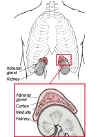
The body has two adrenal glands, one near the top of each kidney. The inner part (medulla) of the adrenal glands secretes hormones such as adrenaline (epinephrine) that affect blood pressure, heart rate, sweating, and other activities also regulated by the sympathetic nervous system. The outer part (cortex) secretes many different hormones, including corticosteroids (cortisone-like hormones), androgens (male hormones), and mineralocorticoids, which control blood pressure and the levels of salt and potassium in the body.

The adrenal glands are part of a complex system that produces interacting hormones. The hypothalamus produces corticotropin-releasing hormone, triggering the pituitary gland to secrete corticotropin, which regulates the production of corticosteroids by the adrenal glands. Adrenal glands may stop functioning when either the pituitary or hypothalamus fails to produce sufficient amounts of the appropriate hormones. Underproduction or overproduction of any adrenal hormones can lead to serious illness.


Underactive Adrenal Glands

Addison's disease (adrenocortical insufficiency) results when underactive adrenal glands produce insufficient amounts of corticosteroids.


Addison's disease affects about 4 out of every 100,000 people. The disease can strike at any age and affects males and females about equally. In 30 percent of people with Addison's disease, the adrenal glands are destroyed by a cancer, amyloidosis, an infection such as tuberculosis, or another identifiable disease. In the other 70 percent, the cause isn't known for certain, but scientists strongly suspect the adrenal glands are destroyed by an autoimmune reaction.


The adrenal glands are also suppressed in people who take corticosteroids such as prednisone. Ordinarily, the dose of corticosteroids is tapered slowly before the drug is stopped completely. When corticosteroids are stopped suddenly after being taken for a month or more, the adrenal glands may be unable to produce corticosteroids in sufficient amounts for several weeks or even months, depending on the dose of corticosteroids and the duration of treatment. Certain other drugs, such as ketoconazole taken to treat fungal infections, can also block the natural production of corticosteroids, resulting in a deficiency.

Corticosteroid deficiency can lead to many problems. For example, when corticosteroids are lacking, the body excretes large amounts of sodium and retains potassium, leading to low levels of sodium and high levels of potassium in the blood. The kidneys aren't able to concentrate urine, so when a person with a corticosteroid deficiency drinks too much water or loses too much sodium, the blood level of sodium falls. Inability to concentrate urine ultimately causes the person to urinate excessively and become dehydrated. Severe dehydration and a low sodium level reduce blood volume and can culminate in shock.

corticosteroid deficiency also leads to an extreme sensitivity to insulin, a hormone normally present in the blood, so that the blood sugar levels may fall dangerously low. The deficiency prevents the body from manufacturing carbohydrates from protein, fighting infections, or healing wounds very well. Muscles weaken, and even the heart can become weak and unable to pump blood adequately.


To compensate for a deficiency of corticosteroids, the pituitary gland produces more corticotropin, the hormone that normally stimulates the adrenal glands. Since corticotropin also affects melanin production, people with Addison's disease often develop a dark pigmentation of the skin and the lining of the mouth. The excessive pigmentation usually occurs in patches. Even people with dark skin can develop excessive pigmentation, although the change may be hard to recognize. Excessive pigmentation doesn't occur when adrenal insufficiency is caused by pituitary or hypothalamus insufficiency, conditions in which the basic problem is a deficiency of corticotropin.

Symptoms

Soon after developing Addison's disease, a person feels weak, tired, and dizzy when standing up after sitting or lying down. The skin becomes dark; this darkness may seem like tanning, but it appears on both sun-exposed and nonexposed areas. Black freckles may develop over the forehead, face, and shoulders; a bluish-black discoloration may develop around the nipples, lips, mouth, rectum, scrotum, or vagina. Most people lose weight, become dehydrated, have no appetite, and develop muscle aches, nausea, vomiting, and diarrhea. Many become unable to tolerate cold. Unless the disease is severe, symptoms tend to become apparent only during times of stress.


If the disease isn't treated, severe abdominal pains, profound weakness, extremely low blood pressure, kidney failure, and shock may occur, especially if the body is subjected to stress such as an injury, surgery, or severe infection. Death may quickly follow.

Diagnosis

Because the symptoms may start slowly and be subtle, and because no single laboratory test is definitive, doctors often don't suspect Addison's disease at the outset. Sometimes a major stress, such as an accident, operation, or serious illness, makes the symptoms more obvious and precipitates a crisis.


Blood tests may show a lack of corticosteroids, especially cortisol, as well as low sodium and high potassium levels. Measures of kidney function, such as tests for blood urea nitrogen and creatinine, usually indicate that the kidneys aren't working well. Corticosteroid levels, usually tested after an injection of corticotropin (a challenge test), can help the doctor distinguish adrenal gland insufficiency from pituitary gland insufficiency. When it is the latter, an injection of corticotropin-releasing hormone reveals whether the cause of the problem is hypothalamus insufficiency.

Treatment

Regardless of the cause, Addison's disease can be life-threatening and must be treated first with corticosteroids. Usually treatment can be started with prednisone taken orally. However, people who are severely ill may be given cortisol intravenously at first and then prednisone tablets. Most people with Addison's disease also need to take 1 or 2 tablets of fludrocortisone every day to help restore the body's normal excretion of sodium and potassium. Fludrocortisone can eventually be reduced or discontinued in some people; however, they will need to take prednisone every day for the rest of their lives. Larger doses of prednisone may be needed when the body is stressed, especially from an illness. Although treatment must be continued for life, the outlook for a normal life span is excellent.


Overactive Adrenal Glands

The adrenal glands can produce too much of one or more hormones. Changes in the adrenal glands themselves or overstimulation by the pituitary gland may be the cause. The symptoms and treatment depend on which hormones--androgenic steroids, corticosteroids, or aldosterone--are being overproduced.

Overproduction of Androgenic Steroids

Overproduction of androgenic steroids (testosterone and similar hormones) is a condition that leads to virilization, the development of exaggerated masculine characteristics in either men or women.


Mild overproduction of androgens is common but may lead only to increased hair growth (hirsutism). True virilizing disease is rare, affecting only about 1 or 2 of every 100,000 women. The incidence of virilizing disease in men is almost impossible to guess.

Symptoms

Signs of virilization include hairiness of the face and body, baldness, acne, deepening of the voice, and increased muscularity. In women, the uterus shrinks, the clitoris enlarges, the breasts become smaller, and normal menstruation stops. Both men and women may experience an increased sex drive.

Diagnosis

The combination of body changes makes virilization relatively easy for a doctor to recognize. A test can determine the level of androgenic steroids in the urine. If the level is high, the dexamethasone suppression test can help determine whether the problem is a cancer, a noncancerous tumor (adenoma), or an enlargement of the hormone-producing portions of the adrenal cortex (adrenal hyperplasia). With this test, the corticosteroid dexamethasone is given orally. If the problem is adrenal hyperplasia, dexamethasone prevents the adrenal glands from producing androgenic steroids. If the problem is an adenoma or cancer of the adrenal glands, dexamethasone reduces androgenic steroid production only partially or not at all. The doctor may also order a computed tomography (CT) or magnetic resonance imaging (MRI) scan to obtain a view of the adrenal glands.

Treatment

Androgen-producing adenomas and adrenal cancers are usually treated by surgically removing the adrenal gland. For adrenal hyperplasia, small amounts of corticosteroids such as dexamethasone generally reduce the production of androgenic steroids, but these drugs may also cause symptoms of Cushing's syndrome if too large a dose is given.


Overproduction of Corticosteroids

Overexposure to corticosteroids, whether from overproduction by the adrenal glands or from administration of excessive amounts by a doctor, results in Cushing's syndrome.

An abnormality in the pituitary gland, such as a tumor, can cause the pituitary to produce large amounts of corticotropin, the hormone that controls the adrenal glands. Pituitary tumors that overproduce corticotropin occur in about 6 in every 1 million people. Small-cell carcinoma in the lung and some other tumors outside the pituitary gland can produce corticotropin as well (a condition called ectopic corticotropin syndrome). This is the most common cause of excessive adrenal cortical function, found in at least 10 percent of people with small-cell carcinoma in the lung, a common type of tumor.

Sometimes the adrenal gland produces excessive corticosteroids even when corticotropin levels are low, usually when a benign tumor (adenoma) has developed in the adrenal gland. Benign tumors of the adrenal cortex are extremely common; half of all people have them by the age of 70. Only a small fraction of these benign tumors are active; the incidence of adenomas causing disease is about 2 in every 1 million people. Cancerous tumors of the adrenal cortex are equally common, but cancers causing endocrine disease are quite rare.

Symptoms

Because corticosteroids alter the amount and distribution of body fat, a person with Cushing's syndrome usually has a large, round face (moon face). Excessive fat develops throughout the torso and may be particularly noticeable at the top of the back (buffalo hump). Fingers, hands, and feet are usually slender in proportion to the thickened trunk. Muscles lose their bulk, leading to weakness. The skin becomes thin, bruises easily, and heals poorly when bruised or cut. Purple streaks that look like stretch marks may develop over the abdomen.


High corticosteroid levels over time raise the blood pressure, weaken bones (osteoporosis), and diminish resistance to infections. The risk of developing kidney stones and diabetes is increased, and mental disturbances, including depression and hallucinations, may occur. Women with Cushing's syndrome usually have an irregular menstrual cycle. Children who have the condition grow slowly and remain short. In some people, the adrenal glands also produce large amounts of androgenic steroids, leading to increased facial and body hair, balding, and an increased sex drive.

Diagnosis

Doctors who suspect Cushing's syndrome after observing the symptoms measure the blood level of cortisol, the main corticosteroid hormone. Normally, cortisol levels are high in the morning and decrease during the day. In people who have Cushing's syndrome, cortisol levels are very high in the morning and don't decrease late in the day as would be expected. Measuring cortisol in the urine can be useful because tests performed a few hours apart can indicate how much cortisol has been produced in that time.


If the cortisol levels are high, the doctor may recommend a dexamethasone suppression test. The test is based on the ability of dexamethasone to suppress the pituitary gland, thereby reducing adrenal gland stimulation. First a urine sample is tested for cortisol. Then dexamethasone is given, and cortisol levels are measured in another sample of urine. If the Cushing's syndrome is caused by pituitary stimulation, the level of cortisol will fall; if the Cushing's syndrome is caused by stimulation from a nonpituitary source of corticotropin or an adrenal tumor, the urinary cortisol level will remain high.


Results of a dexamethasone suppression test may not be clear-cut. Other laboratory tests may be needed to help determine the precise cause of the syndrome. These tests may be followed by a computed tomography (CT) or magnetic resonance imaging (MRI) scan of the pituitary or adrenal glands and by a chest x-ray or CT scan of the lungs.

Treatment

Treatment is directed at the pituitary or adrenal gland depending on the source of the problem. Surgery or radiation therapy may be needed to remove or destroy a pituitary tumor. Adenomas of the adrenal gland can often be removed surgically. Both adrenal glands may have to be removed if these treatments aren't effective or if no tumor is present. Any person who has had both adrenal glands removed, and many people who have had part of their adrenal glands removed, must take corticosteroids for life.


Some 5 to 10 percent of the people who have both adrenal adrenal glands removed develop Nelson's syndrome. In this condition, the pituitary gland enlarges, producing large amounts of corticotropin and other hormones such as beta-melanocyte-stimulating hormone, which darkens the skin. If necessary, Nelson's syndrome can be treated with radiation or surgical removal of the pituitary gland.


Overproduction of Aldosterone

Overproduction of aldosterone (hyperaldosteronism) by the adrenal glands is a condition that affects the blood levels of sodium, potassium, bicarbonate, and chloride, leading to high blood pressure, weakness, and, rarely, periods of paralysis.


Aldosterone, a hormone produced and secreted by the adrenal glands, signals the kidney to excrete less sodium and more potassium. Aldosterone production is regulated partly by corticotropin in the pituitary and partly by a control mechanism in the kidneys (the renin-angiotensin-aldosterone system).  Renin, an enzyme produced in the kidneys, controls the activation of the hormone angiotensin, which stimulates the adrenal glands to produce aldosterone.


Hyperaldosteronism can be caused by a tumor (usually noncancerous) in the adrenal gland (a condition called Conn's syndrome). Sometimes hyperaldosteronism is a response to certain diseases. For example, the adrenal glands secrete large amounts of aldosterone if the blood pressure is very high or if the artery that carries blood to the kidneys is narrowed.

Symptoms

High levels of aldosterone can lead to low levels of potassium, causing weakness, tingling, muscle spasms, and paralysis. The nervous system may not function properly. Some people become extremely thirsty and urinate frequently, and some experience personality changes.

Symptoms of hyperaldosteronism are also associated with eating licorice, which contains a chemical very similar to aldosterone. In rare cases, people who eat a great deal of candy with real licorice flavoring may develop all the symptoms of hyperaldosteronism.

Diagnosis and Treatment

A doctor who suspects that high blood pressure or related symptoms are caused by hyperaldosteronism may measure the sodium and potassium levels in the blood. The doctor may also measure aldosterone levels and, if they're high, may prescribe spironolactone, a drug that blocks the action of aldosterone, to see if the levels return to normal. Other tests generally aren't needed.


When too much aldosterone is being produced, doctors examine the adrenal glands for an adenoma or cancer. While a computed tomography (CT) or magnetic resonance imaging (MRI) scan can be helpful, exploratory surgery is often necessary. If a growth is found, it can usually be removed. When a simple adenoma is removed, blood pressure returns to normal and other symptoms disappear about 70 percent of the time. If no tumor is found and the entire gland is overactive, partial removal of the adrenal glands may not control high blood pressure and complete removal will produce adrenal insufficiency, requiring treatment for the rest of the person's life. However, spironolactone can usually control the symptoms, and drugs for high blood pressure are readily available. Rarely do both adrenal glands have to be removed.


More:

Addison’s Disease Knol at http://knol.google.com/k/addison-s-disease#

Addison's Disease (Adrenal insufficiency): Caused by low levels of cortisonelike hormones produced by the adrenal glands. The cause is usually unknown, but may be a complications of tuberculosis, cancer, pituitary disease of cortisone drugs.

Addison's Disease
This Topic on the Message Boards.


Adrenal: Pertaining to one or both of these endocrine glands located on top of the kidneys. These glands secrete many hormones, including epinephrine (adrenaline), norepinephrine, and the corticosteroid, and play an important part in the body's endocrine system.

The adrenal is made up of an outer wall (the cortex) and an inner portion (the medulla).

A closer look at the adrenal glands, including an illustration.

Adrenal cortex: Outer layer of the adrenal gland, it secretes various hormones including cortisone, estrogen, testosterone, cortisol, androgen, aldosterone and progesterone.


Adrenalectomy: Surgical removal of the adrenal glands is a final measure for halting excess cortisol production This is used only when all other measures fail in individuals with pituitary tumors.


Adrenal gland tumor: A benign tumor, or adenoma, that usually results in the excess production of adrenal gland hormones.


Sometimes, an abnormality of the adrenal glands, most often an adrenal tumor, causes Cushing's syndrome. The average age of onset is about 40 years. Most of these cases involve non-cancerous tumors of adrenal tissue, called adrenal adenomas, which release excess cortisol into the blood. adrenal glands. In Primary Pigmented Micronodular Adrenal Disease and the familial Carney's complex, surgical removal of the adrenal glands is required.


Adrenal insufficiency: See Addison's Disease. Adrenal insufficiency is a life threatening chronic illness. An active and vigorous lifestyle with normal life expectancy is possible as long as the prescribed medications are taken regularly and adjusted when indicated. As with most chronic diseases, adrenal insufficiency demands that the patients take responsibility and develop self-management skills and techniques.

Read an article on Adrenal insufficiency

Adrenal medulla: Middle part of the adrenal gland, it secretes epinephrine (adrenalin) and norepinephrine.


Adrenocortical carcinomas, or adrenal cancers: These are the least common cause of Cushing's syndrome. Cancer cells secrete excess levels of several adrenal cortical hormones, including cortisol and adrenal androgens. Adrenocortical carcinomas usually cause very high hormone levels and rapid development of symptoms.


Adrenocortical hyperplasia: Increase in the number of cells of the adrenal cortex. It secretes cortisol, androgens and aldosterone. Increased production of any or all of these hormones may result in a variety of disorders, such as Cushing's syndrome and hypertension.


Adrenocorticotropic-hormone deficiency: Not enough ACTH is produced by the pituitary gland.


Adrenoleukodystrophy: Disturbance in brain substance caused by abnormal function of the adrenal gland.


Aldosterone: Adrenal hormone that affects the body's handling of sodium, chloride, and potassium.

Read an article on Aldosterone testing